
Small businesses can earn citations in Google AI Overviews by publishing useful, original answers on pages Google can index and display with snippets. Start with search eligibility, then make your content clear, credible, and relevant to customer questions.
You don’t need a separate website for AI search. You need accessible pages with information worth citing. The first step is understanding what a citation means and how Google finds supporting sources.
How Citations in Google AI Overviews Work
A citation is a supporting link within Google’s AI-generated answer. It gives readers a way to visit a source for more detail.
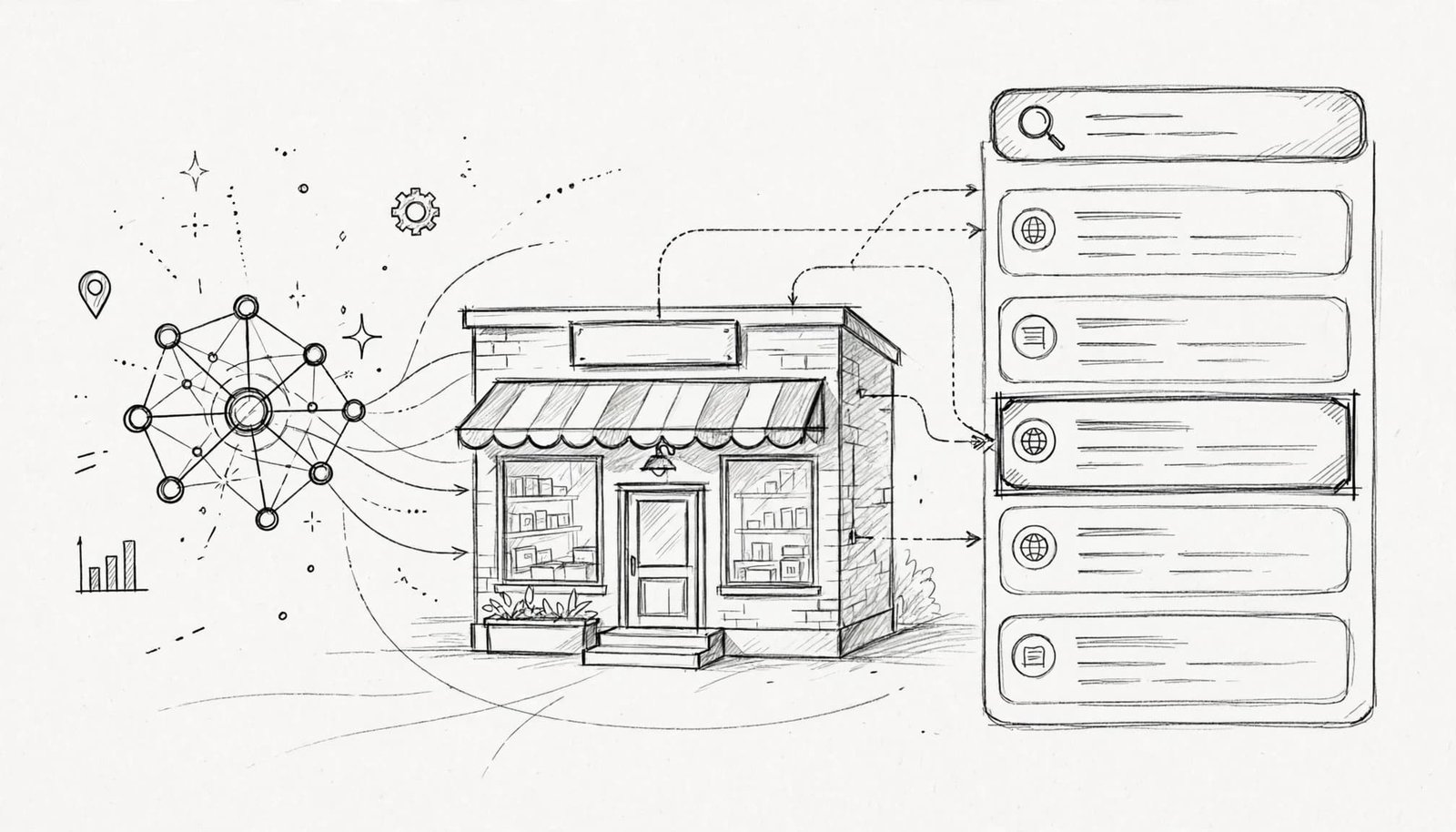
According to Google’s AI-features guidance, its systems may search across related questions through a process called query fan-out. That means a detailed page answering a narrow question can be relevant to a broader search.
AI Overviews don’t appear for every query, and their answers and links can change. Focus on covering questions your business can answer with substance, rather than chasing one fixed search result.
Make Your Website Eligible First
Content improvements won’t help if Google can’t access the page or your site excludes participation in generative AI features.
Remove crawling and indexing barriers
Use Google Search Console’s URL Inspection tool to review your important service pages and articles. Look for blocked crawling, accidental noindex directives, and canonical tags pointing to the wrong URL.
Also review hosting and CDN settings. A security rule can block Google even when your WordPress settings look correct.
Keep important information in visible text. Prices, service descriptions, and answers shouldn’t exist only inside images. Link to priority pages through navigation and relevant articles so Google can discover them.
My technical SEO services address these crawling, indexing, and on-page problems.
Review site-level participation settings
Google’s generative-AI optimization guide distinguishes page eligibility from site-level participation. In Search Console, the Search generative AI features control must be set to Include.
Include is the default. Selecting Exclude prevents the site’s content and links from appearing in AI Overviews, AI Mode, and generative AI features in Google Discover. It doesn’t remove the site from other parts of Google Search.
Treat this separately from indexing. A page can remain available in conventional search while its site excludes generative AI participation.
Publish Answers Your Business Can Support
Useful content combines a direct answer with details readers can’t get from a generic summary. Start with questions customers already ask.
Put the answer before the explanation
Review customer emails, sales conversations, support requests, and Search Console queries. Prioritize questions closely connected to your services, products, or buying decisions.
Then give each page a clear purpose. Open with the answer, followed by the conditions or limitations that affect it. Use descriptive headings so readers can find individual points without reading everything.
For service businesses, useful details include what’s included, what affects cost, and what happens during delivery. For online stores, explain compatibility, materials, maintenance, and return conditions using accurate product information.
Add evidence that belongs to your business
Original information gives your page something concrete to contribute. Publish documented project results, product measurements, process photographs, or findings your business can substantiate.
Explain how you concluded. If you publish a comparison, identify the criteria. If you report results, include the relevant timeframe and scope.
Use relevant images or video when they clarify the answer, but keep the essential explanation in text. Also identify the author where their experience matters.
Before publishing, remove statements that add confidence without evidence. Detailed, supportable information is more useful than repeated claims that your service is “the best.”
Keep Business Details Clear and Consistent
Google recommends keeping Google Business Profile and Google Merchant Center information current where relevant. Your website should agree with those records.
For a local business, publish accurate contact details, service areas, opening hours, and service descriptions. Online stores should keep product availability, prices, and policies current.
Structured data should match what visitors can see. For example, organisation details shouldn’t describe a different business name or address than your contact page.
Consistency also matters within the website. An outdated service page can contradict a newer article, so update related pages together when an offer changes.
Use descriptive internal links to connect related answers and services. A reader researching a problem should be able to reach the relevant service page without searching through your menu.
Measure Visibility Beyond a Single Citation
Track citations in Google AI Overviews alongside ordinary search performance and business outcomes. A source mention matters more when it brings relevant visitors who take useful actions.
Keep a simple record of the query, date, cited page, and answer context. Because results can change, separate occasional appearances from repeated visibility.
Then review Search Console performance for the pages you’re improving. Pair that with analytics data on inquiries, purchases, or other meaningful conversions.
Prioritise pages that answer valuable customer questions and contribute to those outcomes. Publishing more pages isn’t automatically progress.
My AI search optimization service combines answer-ready content, structured data, and clear business information with manual, white-hat SEO work.
Build Pages That Deserve a Supporting Link
Earning citations in Google AI Overviews starts with accessible pages and accurate information. The strongest content adds clear answers and evidence your business can support.
Begin with a few important pages rather than rewriting your entire website. Fix access problems, improve their answers, and measure what follows. Useful, dependable content remains the foundation of this work.